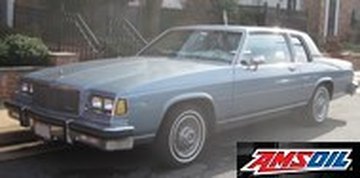
1980 Buick RIVIERA 3.8L Oil Change and Maintenance Guide
ABOUT THIS VEHICLE AND ENGINE
The 1980 Buick RIVIERA represents a specific era of American luxury personal coupes. This particular model is equipped with a 3.8L engine featuring turbocharging technology, as indicated by the engine code. The inclusion of a turbocharger introduces specific thermal and pressure considerations for the engine's lubrication system compared to naturally aspirated counterparts.
Maintaining a vehicle of this age requires an understanding of both its luxury positioning and the mechanical requirements of its forced-induction engine. Proper 1980 Buick RIVIERA maintenance is essential for preserving the integrity of the engine components and ensuring the longevity of the turbocharging system.
CHOOSING ENGINE OIL
Selecting the correct Buick RIVIERA engine oil involves more than just choosing a brand; it requires matching the lubricant to the specific needs of the 3.8L turbo engine. When selecting an oil, consider the following factors:
- Oil Type: You may choose between conventional engine oil, full synthetic oil, or synthetic blends. Synthetic oils often provide enhanced thermal stability, which can be beneficial in turbocharged applications where higher operating temperatures are common.
- High-Mileage Formulations: Some high-mileage oil formulations contain additives intended for use in aging engines. These may include seal-conditioning additives designed to help maintain the integrity of older gaskets and seals.
- API Certification: Ensure that any oil selected meets the current American Petroleum Institute (API) service classifications to guarantee a baseline level of engine protection and deposit control.
- Viscosity Selection: It is critical to match the engine oil to the application-specific viscosity information shown above on this page. Do not select a viscosity based on general knowledge; always refer to the specific data provided for this 1980 Buick RIVIERA.
WHY ENGINE OIL MAINTENANCE MATTERS
Engine oil serves several vital functions that are critical to the operation of the 3.8L engine. Regular oil changes help manage the following:
- Friction Reduction: Oil provides a protective film between moving internal components, reducing friction and wear during engine operation.
- Heat Management: The oil helps dissipate heat away from critical engine areas, assisting the cooling system in maintaining stable operating temperatures.
- Contamination Control: Over time, oil can collect microscopic debris and combustion byproducts. Regular replacement prevents the buildup of sludge and deposits that can restrict fluid flow.
- Component Protection: Consistent lubrication is necessary to protect bearings and other internal surfaces from premature wear caused by metal-on-metal contact.
AGE-RELATED MAINTENANCE
As a vehicle from 1980, the RIVIERA may exhibit signs of aging that require closer inspection during routine service. Owners should be mindful of several areas:
- Gaskets and Seals: Inspect various gaskets and seals for signs of age-related seepage or leakage.
- Rubber Components: Check the condition of accessible hoses and belts. Rubber components can become brittle, cracked, or glazed over several decades.
- Electrical Integrity: Examine electrical connections and wiring for corrosion or insulation breakdown.
- Cooling System: Periodically inspect the cooling system for signs of leaks or evidence of previous overheating.
- Air Filtration: Ensure the air filtration system is clean to prevent debris from entering the engine intake.
WHAT TO INSPECT DURING AN OIL CHANGE
A 1980 Buick RIVIERA oil change provides an ideal opportunity to perform a visual inspection of the surrounding engine compartment. During this process, consider checking the following:
- Sealing Areas: Inspect the oil-filter sealing area and the condition of the drain plug and its associated sealing washer.
- Leak Detection: Look for any evidence of active leaks or oily residue on accessible gaskets and seals.
- Drive Belts: If equipped, inspect accessible drive belts for cracking, fraying, or other signs of deterioration.
- Fluid Integrity: Check the condition of various hoses and look for any signs of cooling system leaks.
- Maintenance History: Look for signs of neglected maintenance, such as excessive sludge buildup or heavily contaminated fluids.
OIL-RELATED WARNING SIGNS
While many issues can stem from multiple sources, certain symptoms during the operation of your 3.8L engine warrant investigation:
- Unexplained Oil Loss: A significant drop in oil levels between service intervals should be investigated.
- Visible Leakage: Puddles under the vehicle or heavy oil residue on the engine block may indicate a seal or gasket issue.
- Burning Odors: An odor of burning oil can indicate that lubricant is contacting hot engine components.
- Abnormal Appearance: Oil that appears excessively dark, gritty, or contains visible metallic contamination should be addressed immediately.
- Unusual Engine Noise: Any new or changing mechanical noises may be associated with lubrication issues and require professional inspection.
Note that symptoms can have multiple causes; a single sign does not always point to one specific failed component.
VEHICLE HISTORY AND LONG-TERM OWNERSHIP
For long-term ownership of a 1980 Buick RIVIERA, maintaining detailed service records is highly beneficial. Documentation of previous repairs and regular maintenance helps track the health of the vehicle over time. When performing repairs or replacements, verifying that parts are compatible with this specific 3.8L turbo engine is essential. Owners should also be aware of age-sensitive components, such as rubber seals and electrical connectors, which may require more frequent monitoring than they would on a newer vehicle.
MAINTAINING AN OLDER 1980 BUICK RIVIERA
Preventative inspection is the cornerstone of maintaining an older vehicle. As the RIVIERA ages, the importance of checking for leaks, inspecting hoses and belts, and ensuring the cooling system is functioning correctly increases. Regular attention to ignition components and air filtration helps maintain engine efficiency. Furthermore, staying vigilant regarding any evidence of overheating or signs of neglected maintenance can prevent more significant mechanical issues in the future.
BUYING ENGINE OIL FOR THE 1980 BUICK RIVIERA 3.8L
When purchasing oil for your vehicle, prioritize reputable brands that meet appropriate API certifications. Depending on your engine's current condition and your driving habits, you may choose between conventional oil or more advanced synthetic and high-mileage formulations. High-mileage oils are specifically designed with additives to assist aging engines. Regardless of the brand or type chosen, it is vital to match the oil to the application-specific viscosity information already displayed on this page to ensure compatibility with your 1980 Buick RIVIERA 3.8L engine.